Scaling Manufacturing Flexibility for Fill-Finish Commercial Success
Introduction
Faced with shifting demand from global markets, pharma and biotech companies are recognizing a greater need for flexible capacity. Whether it’s a move from clinical to commercial, opening new markets, or a switch to North American manufacturing as part of an onshoring plan, pharma companies need a trusted partner that can scale alongside them. Your ideal manufacturing partner should be fully prepared to create adaptable solutions as the needs of your project grow and evolve.
Biologics and Biosimilars Driving Demand
As the trend of the growing numbers of biologic and biosimilar FDA approvals continues, pharma companies will require new sterile fill-finish and lyophilization manufacturing resources as they enter the commercial market. According to recent market research, the sterile injectables market is projected to reach over 90 billion by 2031. Demand for monoclonal antibody-based therapeutics and oncology drugs make up a large share of the growing market.
Drugs currently in development that receive commercial approval will need to progress from clinical-scale to commercial-scale production batches. Some commercial batch sizes will remain small, especially if the treatment targets rare orphan diseases. Others will require exponentially more manufacturing resources. These large commercial batches must maintain the same safety standards, efficacy, and quality as those established during the clinical trial stage.
Pandemic Preparedness Requires Flexible Solutions
COVID-19 showed how our industry needs to be able to pivot and expand manufacturing production quickly during a public health emergency. Emerging or reemerging infectious diseases such as West Nile virus, Zika virus, multi-drug-resistant organisms, and other threats could require a large-scale mobilization should a significant outbreak occur.
Adaptable manufacturing and strategic private-public partnerships are critical to rapid response during health emergencies. We maintain these partnerships with both private and public government agencies in both the US and Canada, including the FDA and Health Canada. Maintaining private and public partnerships provides benefits including increased speed, quality, communication, and regulatory oversight.
Growing Interest in the Value of Onshoring
With the impact of tariffs and other geopolitical factors in mind, global pharma companies are more seriously considering expanding their US manufacturing presence. North America produces nearly two-fifths of all generic sterile injectables, according to market research.
Building new sterile manufacturing facilities from scratch takes significant capital investment and years of planning and execution. The quickest and easiest way for many pharma companies to reach their US patients will be to partner with US-based CMOs with the available capacity and flexibility to manufacture their drug product.
While pharma companies are typically experiencing an overall increased demand for sterile fill-finish products, factors such as regulatory delays and a loss of research or grant funding can reduce the size of planned batches for a specific product. They may have been planning to run larger clinical trials or get their product fast-tracked for approval. Embracing a flexible approach means accounting for the ups and downs, and a capable CMO partner will be able to respond to both.
Strong Tech Transfer Skills Key to Scaling Flexibility
To deliver the flexible capacity pharma companies need, CMOs must establish a smooth tech transfer process and cross-train their employees with the skills needed to manufacture multiple kinds of products. Furthermore, a CMO investing capital into equipment and facilities in a financially sustainable manner can grow with the needs of their partners and offer access to innovative technologies designed to maximize efficacy and quality.
A CMO resource should be able to handle tech transfers for more complex modalities like monoclonal antibodies, other biologics, lipid nanoparticles, peptides, and more. For example, we at Jubilant HollisterStier (JHS) acquired the tech transfer for a COVID-19 liquid suspension vaccine product that was approved for use internationally, but not within the United States. We completed the transfer in less than half the time typically required, demonstrating our expertise in agile engineering solutions for complex manufacturing processes. Prior experience with complex processing formulations and approved products enabled us to expedite results.
Our deep bench of subject matter experts (SMEs) and cross-trained line technicians are our not-so-secret weapons to successful tech transfers and to our flexibility as manufacturers. We value providing educational opportunities and having our SMEs participate in industry conferences to gain a real-time understanding of market and regulatory trends. With this mindset, we’ve equipped our SMEs to pivot between potency and toxicity levels while maintaining the safety and efficacy of the final product.
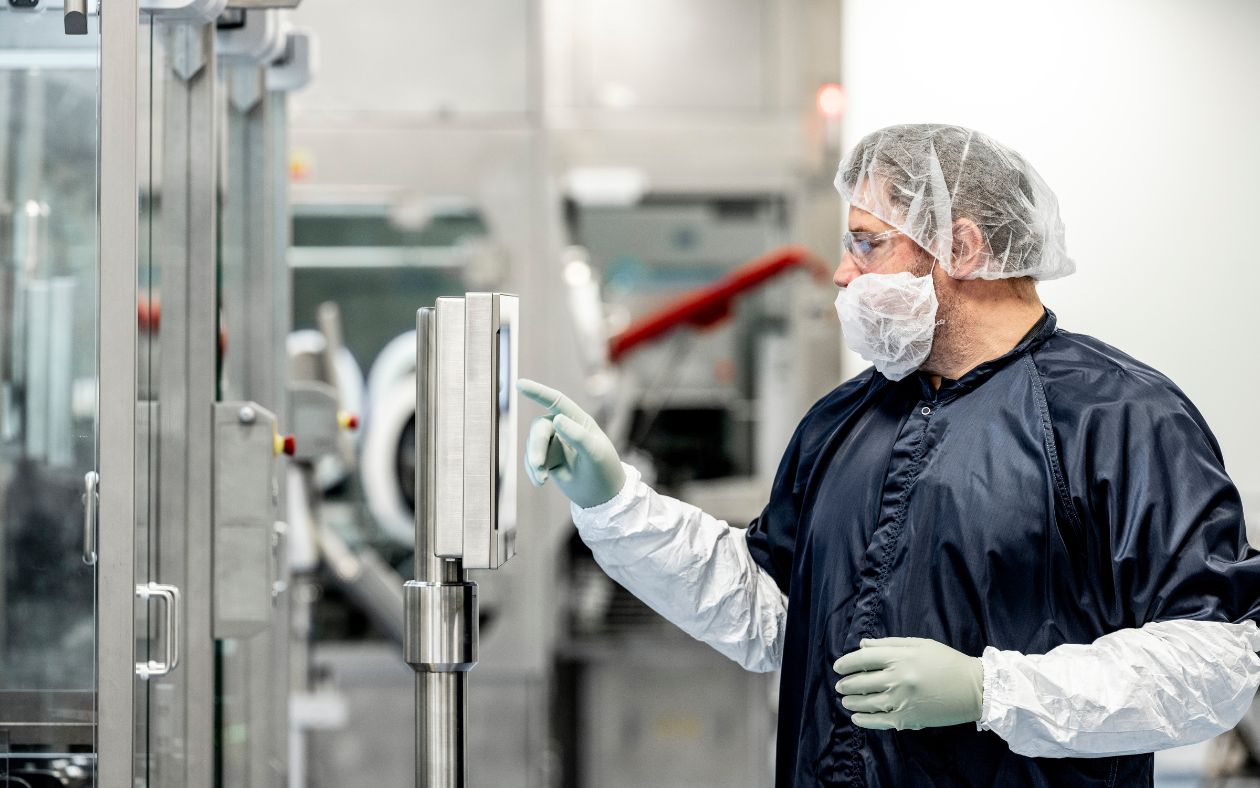
At the line technician level, cross training our team members to perform multiple roles creates a more agile and versatile workforce capable of adapting quickly to your changing production needs while reducing our downtime. By encouraging continuous improvement, team members at all levels help lead our culture that prioritizes quality excellence and adaptability.
Expanded Capacity to Meet Your Needs
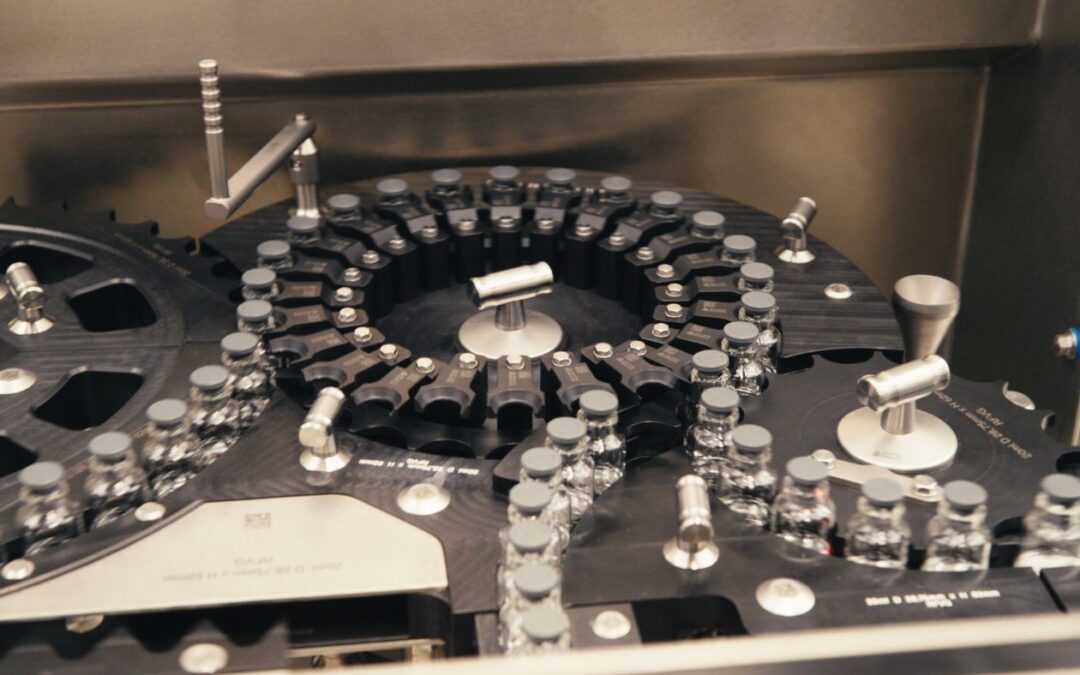
In addition to the technical expertise we offer our partners, our site expansion project gives you access to increased capacity and high-speed injectable liquid filling lines as the market for your product grows. The 160,000 sq. ft. expansion and the addition of larger lyophilizers will further increase our capacity. The line 4 expansion also includes additional operational space with loading docks, thousands of square feet of ultra-cold storage, temperature-controlled capabilities, a high-speed packaging line, environmental monitoring, and additional stability space.
With our expansion of our facilities with additional capacity, isolator technology, cold storage, advanced lyophilization, automated inspection capabilities, and other state-of-the-art technologies, we are built to handle complex formulations and scale into high-volume production with you.
Partner with JHS
Combined, our physical infrastructure and our personnel resources work together to adapt to your needs as your project changes over time or in response to the current landscape. As the need for flexible manufacturing solutions increases, JHS has both the technical experience and capacity resources to partner with you to produce high-quality therapeutics that reach your patients faster in today’s shifting market environments.