6 Trends Redefining Biologics Manufacturing in 2026
Introduction to Manufacturing Trends in Biologics
With applications across oncology, infectious diseases, immunology, and other fields of medicine, biologics are taking center stage as a growing market for pharma and biotech companies. Considering the global biologics market is projected to reach over 600 billion USD by 2030, ensuring the on-time delivery of high-quality biologics to the patients who need them is crucial now more than ever.
As complex biologics become cornerstone products to drug portfolios, the economics of manufacturing are also changing. Yield loss, contamination, or delays are now critical risks instead of inconveniences with biologics often carrying millions of dollars of value per batch. This shift is driving manufacturers toward more disciplined systems, deeper technical expertise, and partnerships designed for reliability.
These six trends are redefining the biologics manufacturing landscape in 2026 and beyond:
1. Reducing Loss of Valuable APIs with Smart Fill Lines
When using valuable APIs in biologics manufacturing, every gram of substance counts. Therefore, minimizing API loss is essential for protecting yield and ensuring continuity of supply, particularly when a single batch failure could impact a sponsor’s revenue, inventory, and downstream patients.
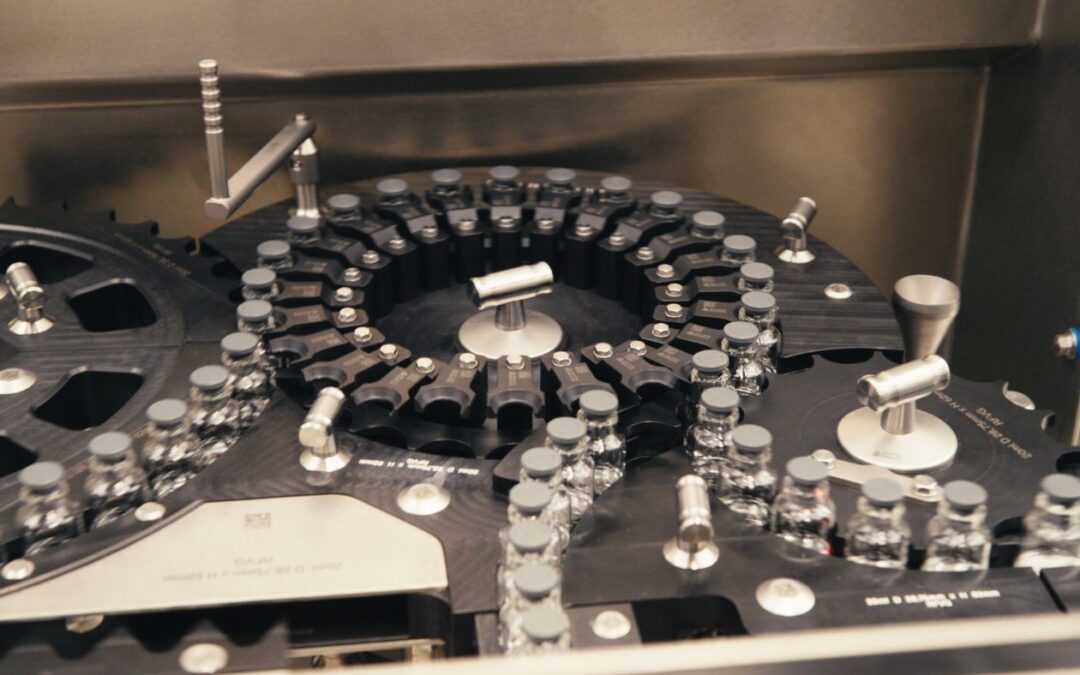
Sterile injectable filling lines with features like IPC (inline process checking) can prevent API loss by measuring the weight of each vial before it goes for inspection. Individual vials can be rejected immediately, making it less likely an entire batch will have to be thrown away later due to an underfilling or overfilling issue. Leading CMOs today leverage IPC technology to ensure the good stewardship of valuable APIs and to produce high-quality, uniform final drug products.
2. Onshoring Biologics Manufacturing
North American CMOs are responsible for over 40% of all contract biologics manufacturing. They are popular as a result of continued R&D investment, access to specialized drug substances, and a skilled workforce. Today, factors such as geopolitics, the need for supply chain resiliency, and the ability to handle complex formulations are creating even more interest in North American manufacturing solutions for biologics.
For many pharma and biotech companies, the fastest and most efficient way to reach the US market and increase stateside production is to partner with a US-based CMO with significant available capacity, technical expertise, and flexibility to manufacture high-quality biologics.
Beyond increasing speed-to-market, onshoring has also become a risk management strategy. Working with a US manufacturing partner can protect supply chain resiliency, improve regulatory alignment, and ensure closer technical oversight for high‑value biologics where failure is not recoverable.
3. Alignment Between US and EU Regulations with Annex 1 as Guiding Principle
GMP EU Annex 1 establishes the regulatory standard for all sterile medical products sold in the EU and sets the standard for best practices for aseptic filling manufacturing. While specific to the EU, these guidelines function as industry benchmarks that inform FDA inspection practices. Because biologic drug substances are often made using materials derived from active organisms, using aseptic techniques like those described in Annex 1 to prevent endotoxin and microbiological contamination is especially critical.
To fulfill Annex 1 requirements, both the CMO and the pharma sponsor need to take a proactive approach to quality and risk management. As regulatory expectations evolve, inspection readiness must be embedded into daily operations and decision‑making across the lifecycle of biologic products.
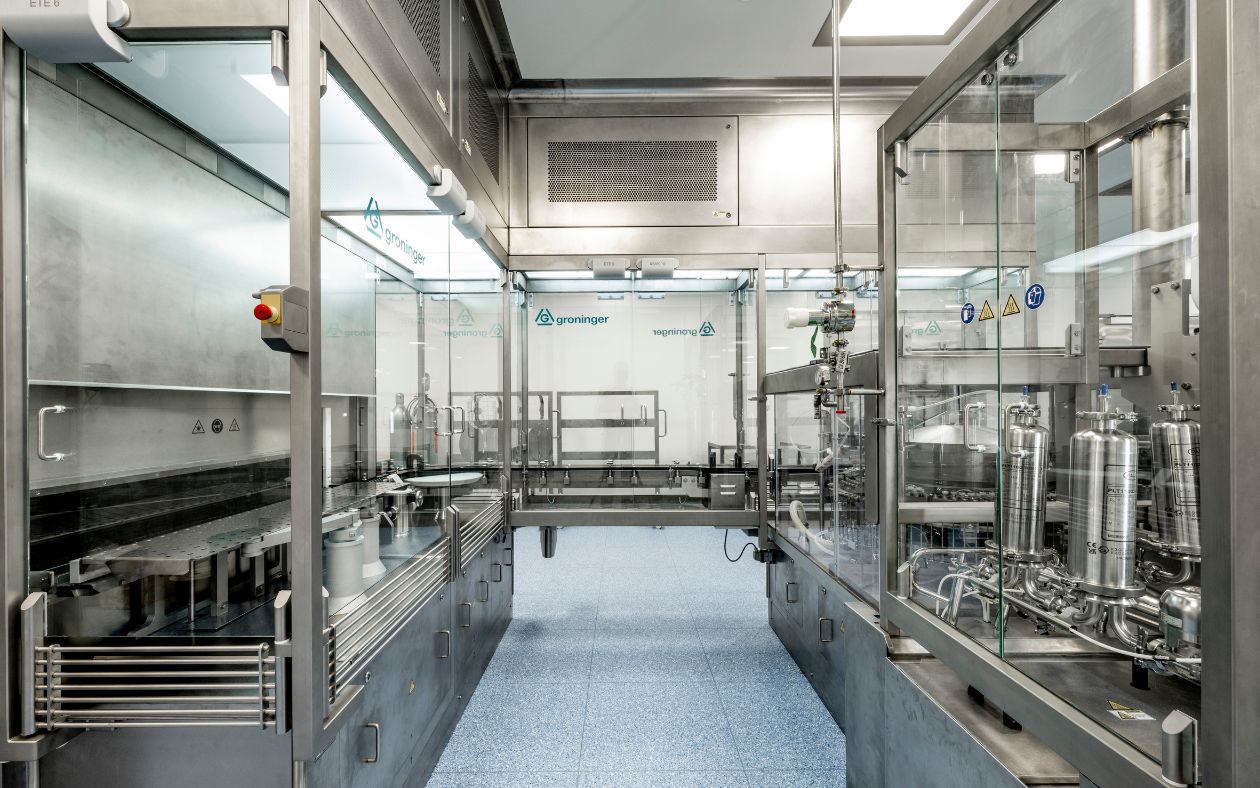
A strong CMO partner will be able to demonstrate that their quality management systems and contamination control strategies meet updated regulatory guidelines. Dedication to continuous improvement and a willingness to invest in isolators as JHS has done are positive signs when evaluating a potential CMO partner.
4. Lyophilization Market Grows with Monoclonal Antibodies as a Key Driver
The global lyophilization market is estimated to double by 2035, driven in large part by increased demand for lyophilized biologics. Monoclonal antibodies (mAb) are projected to make up a large share of this market because of their versatility and cost-effectiveness compared to cell and gene therapies.
Finding a trusted CMO with reliable lyophilization capabilities is necessary as the popularity of monoclonal antibodies and complex formulations increases. CMOs represent 45% of the market share in lyophilization services, providing specialized knowledge and equipment pharma sponsors are increasingly relying on.
Lyophilization requires deep process knowledge, investment in infrastructure, cycle development expertise, and close integration between development and commercial manufacturing to protect product stability at scale. As lyophilization experts, JHS offers integrated lyophilization solutions that optimize maximum stability and consistency for every batch.
5. Single Use Systems (SUS) Gain Momentum
Single use systems (SUS) are pre-assembled items used in biomanufacturing like bioreactors, storage bags, and tubing often made of plastic. When switching a formulation suite or fill line between product types, disposing of a SUS usually takes less time than having to clean and validate reusable stainless-steel components.
Leading CMOs like JHS strategically employ SUS during biologics manufacturing to save time, decrease the risk of contamination between batches, and reduce water usage that cleaning multi-use components or vessels entails. When used by trained teams, SUS can help lower risk by reducing potential variability when working with high-value APIs.
6. Expanding Manufacturing Capacity
Expanding capacity for biologics productions is about more than adding square footage. It requires building infrastructure, systems, and teams capable of executing complex products with high reliability.
To keep pace with the rising popularity of complex biologics, CMOs provide pharma and biotech organizations of all sizes with flexible sterile fill-finish manufacturing solutions. With facility expansions, open capacity, integrated isolator technology, cold storage, advanced lyophilization, automated inspection capabilities, and other state-of-the-art technologies, today’s top CMOs are built to handle complex formulations and scale into high-volume production.
CMOs at the forefront of biologics manufacturing like JHS offer continuous manufacturing services to optimize line capacity, reduce holding times, and save costs associated with switching frequently between drug product types. Continuous manufacturing can also reduce the risk of batch variability for environmentally sensitive biologics like mAbs, ensuring uniformity and consistency across all products.
Conclusion
With 70% of surveyed pharma companies stating that they outsource at least some biologics manufacturing, sponsors need CMOs that can deliver certainty through disciplined systems, deep technical expertise, and a partnership mindset that extends beyond execution into development, optimization, and collaborative support.
JHS’s experience with complex biologics, potent materials, valuable APIs, lyophilization, and other aspects shaping the biologics manufacturing landscape today positions JHS as a trusted partner for biologics production at any scale. Learn more about our offerings on our Services page or by contacting us.
Article References
- “Global Biologics Market Size & Outlook, 2024-2030″ https://www.grandviewresearch.com/horizon/outlook/biologics-market-size/global
- “Biologics Contract Development And Manufacturing Organization Market (2025 – 2033)” https://www.grandviewresearch.com/industry-analysis/biologics-contract-development-manufacturing-organization-market-report#:~:text=Regional%20Insights,and%20commercialization%20in%20the%20region
- “EU GMP Annex 1. Implementation of Contamination Control Strategy,” Parenteral Drug Association (PDA)
https://www.pda.org/pda-letter-portal/home/full-article/eu-gmp-annex-1.-implementation-of-contamination-control-strategy - “Lyophilization Services Market Industry Trends and Forecasts 2025-2035: Global Lyophilization Services Market to Double by 2035” https://www.globenewswire.com/news-release/2025/09/23/3154973/28124/en/Lyophilization-Services-Market-Industry-Trends-and-Forecasts-2025-2035-Global-Lyophilization-Services-Market-to-Double-by-2035.html
- “Lyophilization Service Market”, Emergen Research. https://www.emergenresearch.com/industry-report/lyophilization-service-market
- “CMOs and Hybrid Companies Predicted to Hold 54% of Biologics Capacity in 2028, According to CPHI Annual Survey” https://www.pharmtech.com/view/cmos-and-hybrid-companies-predicted-to-hold-54-of-biologics-capacity-in-2028-according-to-cphi-annual-survey