
Four Reasons You Should Choose Lyophilization for Your Next Project
Introduction to Lyophilization
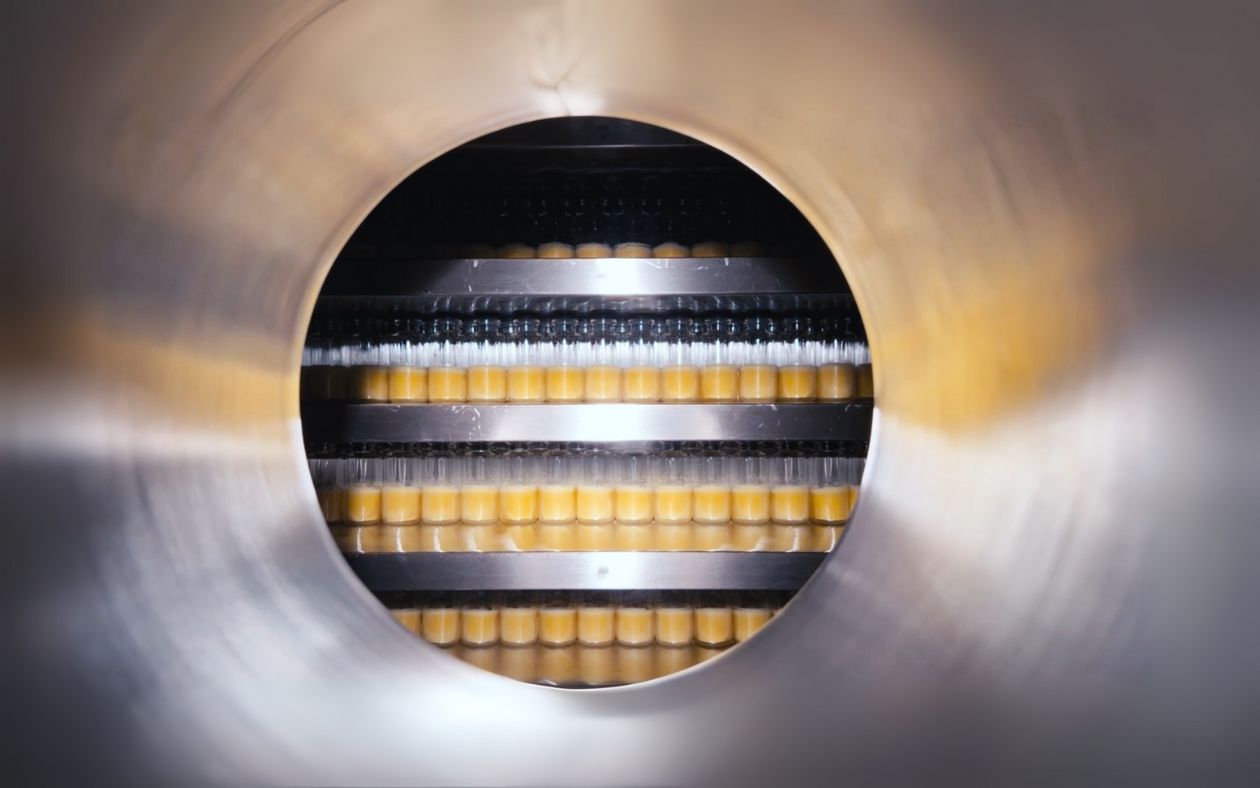
Lyophilization, or “lyo” for short, is the process of freeze-drying or sublimating a drug product. This process involves freezing the material and then reducing the surrounding pressure to allow the frozen water to sublimate directly from solid to gas, leaving behind a dried product. The freeze-drying and reconstitution process allows for ease of transportation, reduces shipping and storage costs, and provides longer-term stability compared to other drug delivery forms. As the market for lyophilized products grows, here are four reasons to consider freeze-drying your sterile injectable product.
1. Lighter Weight, Lower Costs
Lyophilization turns a liquid drug product into a solid powder “cake” without disrupting the efficacy of the active ingredients or sacrificing quality. Once the lyophilized product arrives at its destination, recipients can reconstitute the drug product by adding a sterile diluent to create a sterile injectable solution with the same potency and sterility as the original liquid formulation. Compared to a vial filled with liquid containing the same amount of active drug product, lyophilized solids are lighter and thereby easier to transport. The less weight to ship, the greater the potential cost savings on logistics.
2. Shelf Life and Stability
Many biologics require end-to-end cold chain logistics to preserve their quality and safety. This can be challenging and expensive, especially when shipping to rural or underserved areas. Lyo products can generally remain at room temperature or refrigerated temperature for months, sometimes even years. Having the option to store medication long-term prevents interruption to patient supply in case of a supply chain issue and allows public health organizations to create strategic stockpiles of medications for emergencies, according to a recent study in MPDI Vaccines.
3. Avoids Unnecessary Cold Chain Usage
By eliminating the need for more complex cold chain logistics and storage, lyo products can be simpler and cheaper to transport and store than their liquid counterparts. Some sterile liquid products cannot be lyophilized and need to stay in liquid form in cold storage at temperatures down to -20°C during transport and warehouse storage. Depending on the kind of drug product, lyo products can stay at room temperature or at refrigerated temperature levels (2-8°C) until reconstituted. Room temperature and refrigerated storage is less expensive per square foot than freezer and ultra-cold storage.
4. Smaller Carbon Footprint
Circumventing the need to use an extensive cold chain network or large freezer space can also reduce the drug product’s carbon footprint. Some US states are still upholding greenhouse gas reduction targets, including Washington state. Lyophilization can be one way pharma companies work toward meeting their ESG (environmental, social, and governance) goals and adhere to any relevant state legislation.
Partner with JHS for Lyophilization
Scale up production and accelerate your path to market with our end-to-end lyophilization solutions including inspection, custom packaging and labeling, and storage options. Our technical experts and project managers are experienced in handling lyophilization projects in both smaller and larger batch sizes. We house our fully integrated lyophilizers, including automated loading and unloading systems (ALUS) alongside our state-of-the-art filling lines within our sterile manufacturing facilities to protect the integrity of your product at every stage. Let’s start a conversation about how we can partner for lyophilization excellence.